



Protect Yourself and Your Family from Bed Bugs When Traveling
Travel is picking up for the holidays, and while we’re all excited to see family and friends this season, there’s an unwelcome travel companion you definitely don’t want tagging along: bed bugs. These tiny hitchhikers are more common than you might think, with one in five Americans experiencing a bed bug problem or knowing someone who has.
The good news? With the right precautions, you can significantly reduce your risk of bringing these pests home from your next trip.
Whether you’re planning a weekend getaway or an extended vacation for the holidays, this guide will walk you through everything you need to know about protecting yourself from bed bugs while traveling.
Understanding the Bed Bug Travel Risk
Bed bugs don’t discriminate. They’re found in budget motels and five-star hotels alike, because these pests travel on people’s luggage and belongings, not because of poor hygiene.
According to pest control professionals, hotels and motels account for 68% of bed bug encounters, making them the third most common location for infestations after single-family homes and apartments.
The reality is that bed bugs are expert hitchhikers. They can survive for months without feeding and easily hide in the smallest crevices of your luggage, clothing, and personal belongings.
Once they make it back to your home, a small problem can quickly become a major infestation that costs thousands of dollars to treat.
Before You Book: Research Your Accommodation
Your bed bug prevention strategy should start before you even pack your bags. Take a few minutes to investigate where you’ll be staying:
Check Online Reviews and Bed Bug Registries Search for your hotel on platforms like Yelp, TripAdvisor, and Google Reviews, looking specifically for any mentions of bed bugs. You can also check dedicated sites like The Bed Bug Registry and BedBugReports.com, which compile guest reports of infestations. If you find recent complaints, consider booking elsewhere. If older reports exist, check whether the hotel responded professionally and took immediate action.
Call the Hotel Directly Don’t hesitate to ask the front desk about their bed bug prevention protocols. Professional hotels should have inspection procedures and a clear plan for handling any issues. Their response to your question can tell you a lot about how seriously they take pest control.
What Bed Bugs Actually Look Like
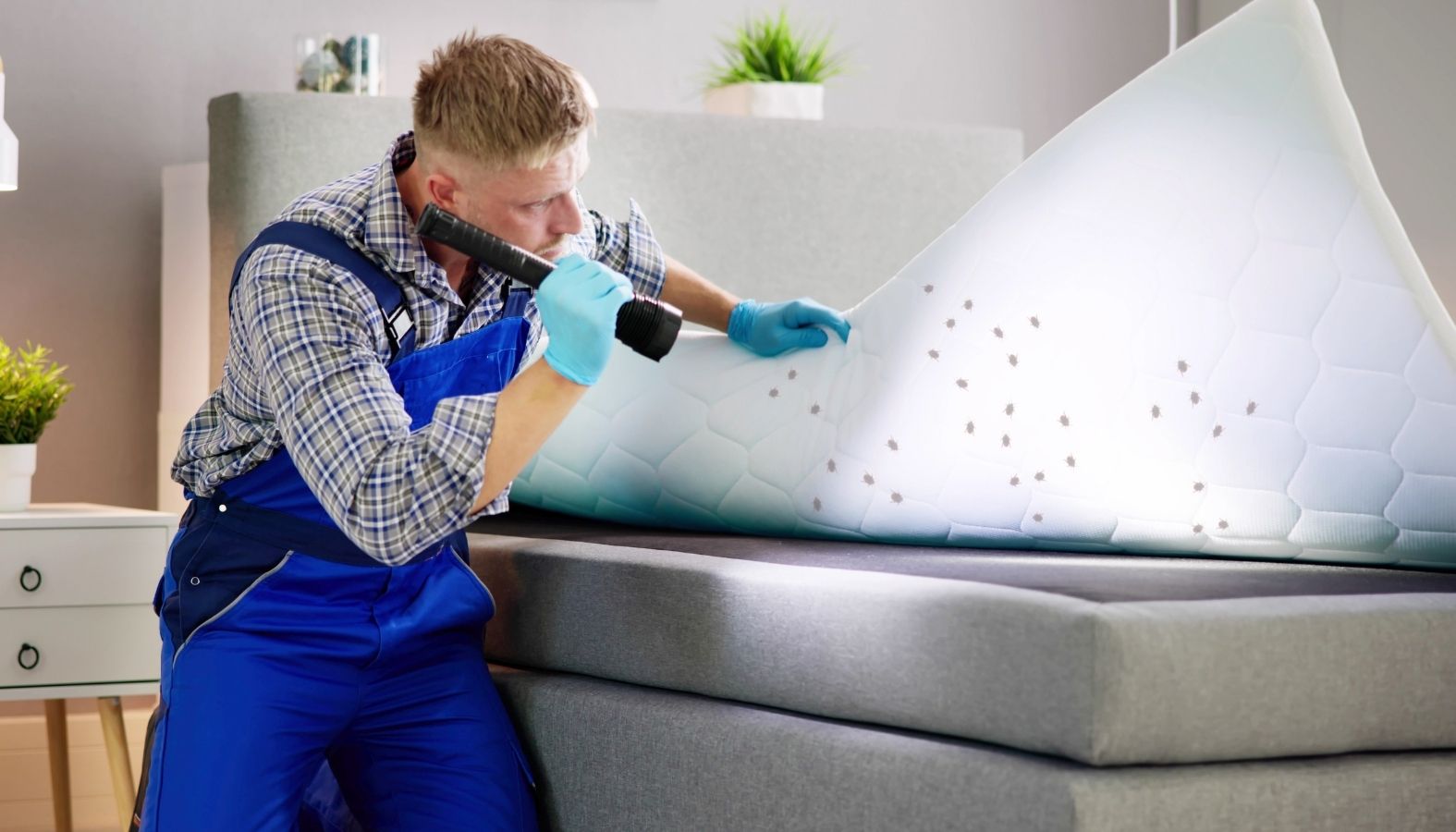
Before your trip, familiarize yourself with what you’re looking for. Adult bed bugs are reddish-brown insects about the size of an apple seed, roughly 3/16 of an inch long. They’re flat and oval-shaped, which allows them to squeeze into incredibly tight spaces.
However, you’re more likely to spot the signs they leave behind:
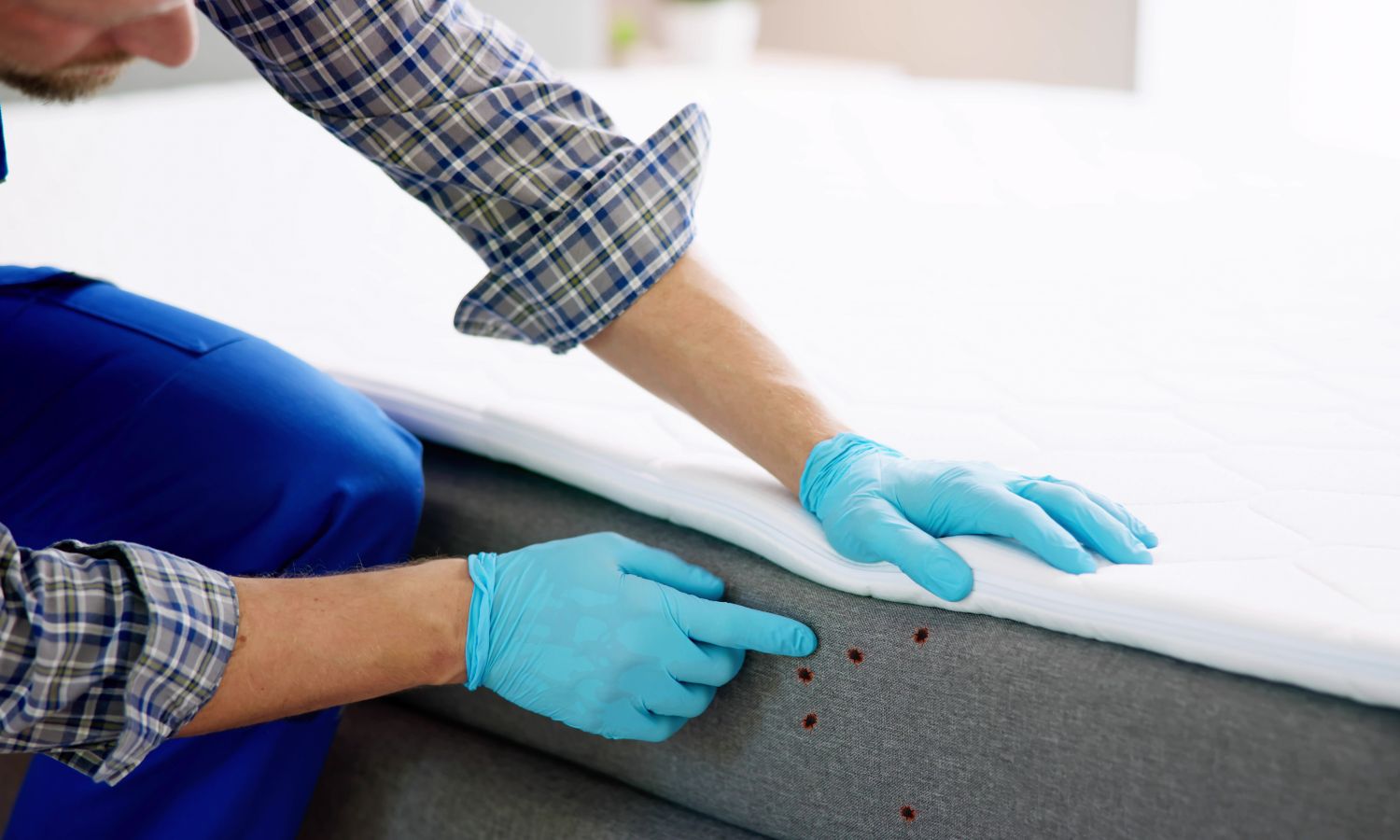
- Dark spots that look like ink pen marks on mattresses, sheets, or furniture (this is bed bug feces made from digested blood)
- Reddish stains on bedding from crushed bugs
- Tiny white eggs resembling grains of rice, often found in mattress seams or crevices
- Pale yellow shed skins from molting nymphs
- A sweet, musty odor in heavily infested rooms
Young bed bugs (nymphs) are much smaller, about the size of a poppy seed, and can be nearly translucent, making them harder to spot.
The Bathroom Strategy: Your First Line of Defense
Here’s a travel hack that pest control experts swear by: as soon as you enter your hotel room, place your luggage in the bathroom, preferably in the bathtub or shower stall. Don’t put anything on the bed, floor, or upholstered furniture until you’ve completed your inspection.
Why the bathroom? Bed bugs strongly prefer fabric surfaces and avoid smooth, hard surfaces like tile and porcelain. Bathrooms also have fewer hiding spots, and since towels and bathmats are removed and cleaned between guests, there are fewer stable places for bed bugs to establish themselves.
This simple step keeps your belongings safe while you check the room.
How to Inspect Your Hotel Room for Bed Bugs
A thorough inspection takes just 5-10 minutes but can save you from weeks of stress and expensive extermination bills. Here’s your systematic checklist:
Start with the Bed
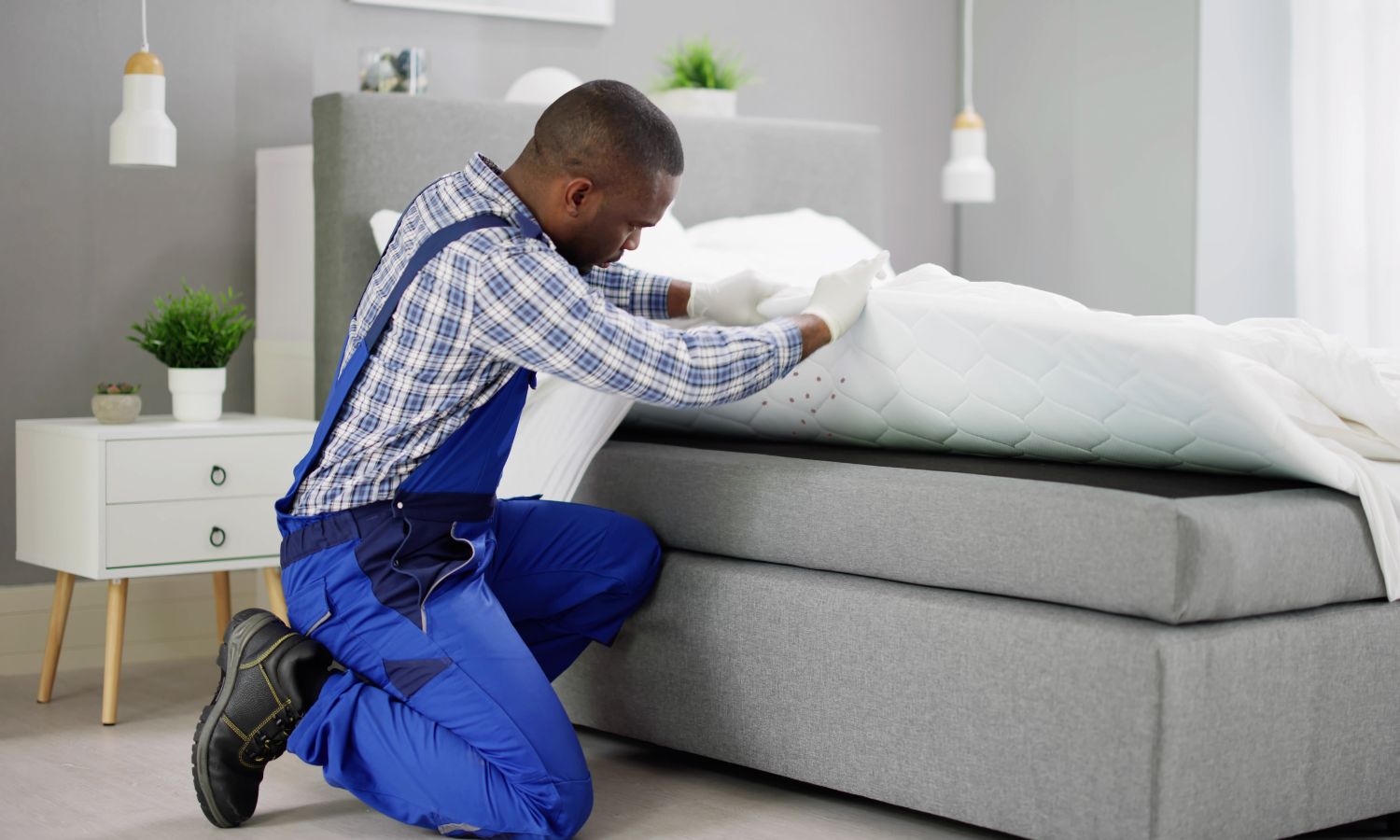
Pull back all the bedding and systematically examine:
- Mattress seams and corners (this is where 95% of bed bugs hide)
- The area around mattress tags
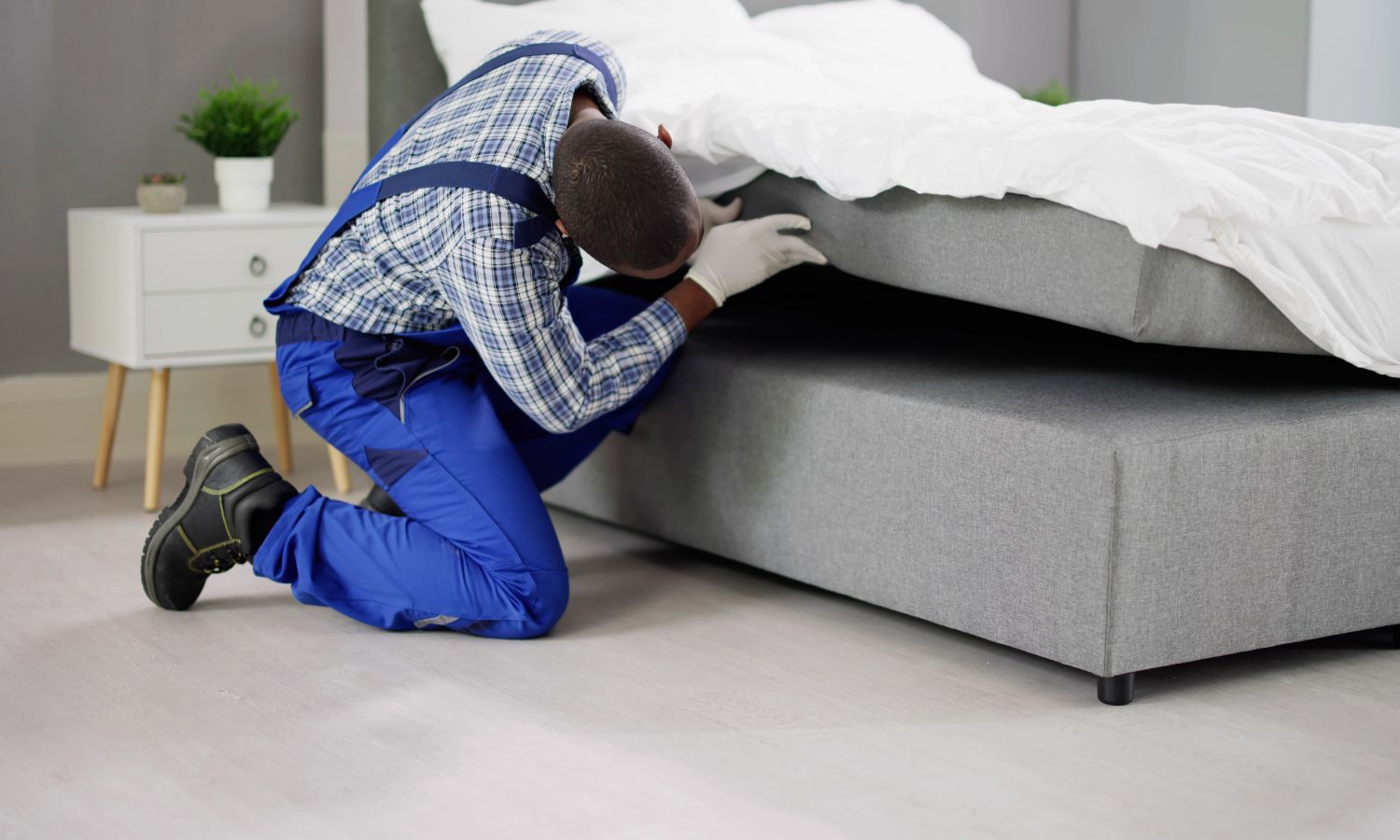
- Box spring seams and the underside
- Behind the headboard (if you can safely move it or peek behind it)
Use your phone’s flashlight to illuminate dark crevices. Look for the telltale signs: dark spots, reddish stains, shed skins, eggs, or live bugs.
Check Other Furniture
Bed bugs can hide anywhere within about 8 feet of where you sleep:
- Nightstands: Check inside drawers, joints, and underneath
- Upholstered furniture: Examine sofa cushions, armchairs, and desk chairs
- Curtains: Inspect where they gather or hang
- Baseboards and walls: Look for spots, especially near the bed
- Picture frames and electrical outlets: Check behind and around these
Don’t Forget Transport Seats
This applies whether you’re on a plane, train, bus, or rideshare. Bed bugs use these seats as temporary rest stops after hiding in someone’s clothing. Before settling in, quickly check the folds and seams of your seat.
What to Do If You Find Bed Bugs
If your inspection reveals any signs of bed bugs:
- Take photos for documentation
- Notify hotel management immediately
- Request a room change to a room that’s NOT adjacent to or directly above/below the infested room (bed bugs can travel through walls via pipes and electrical outlets)
- Keep your belongings sealed in the bathroom until you’re moved
- Inspect your new room thoroughly before accepting it
If the hotel cannot provide a suitable alternative room, consider finding different accommodation altogether. Your peace of mind is worth it.
Protecting Your Luggage During Your Stay
Choose the Right Luggage
Hard-shelled suitcases are your best defense against bed bugs because they have fewer folds, seams, and crevices where these pests can hide. They’re also much easier to inspect than fabric luggage. If you prefer soft luggage, take extra precautions.
Storage Strategies That Work
- Use a luggage rack positioned away from walls and furniture, but only after inspecting it for hollow legs where bugs could hide
- Keep luggage in the bathroom throughout your entire stay if you’re concerned
- Place suitcases in large plastic trash bags and keep them sealed when not in use
- Store shoes, toiletries, and electronics in sealed plastic bags (Ziploc bags work perfectly)
- Keep clothes in your luggage rather than unpacking into drawers, or use zippered garment bags for hanging items
Never Place Items on the Bed
This bears repeating: resist the urge to toss your bags on the bed when you first arrive or at any point during your stay. The bed is the most likely place for bed bugs to be present, and it gives them direct access to your belongings.

Additional Protection Options
Consider bringing a few items that add extra protection:
Mattress Encasements – Portable mattress covers completely encapsulate the hotel mattress, preventing any bed bugs inside from reaching you during the night. They’re lightweight and easy to pack.
Large Plastic Bags – Kitchen-sized trash bags can cover your entire suitcase for added protection. Some travelers even purchase zippered luggage encasements specifically designed for bed bug prevention.
Bed Bug Traps – These small monitors can be placed under bed legs to detect and trap bed bugs attempting to climb up to feed at night.
Your Inspection Checklist When You Get Home
Don’t let your guard down when your trip ends. Many travelers accidentally introduce bed bugs into their homes during the unpacking process. Here’s how to safely handle your return:
Before Entering Your Home
- Unpack outside if possible (in your garage, on a patio, or in your driveway)
- Place your luggage in a bathtub or shower for inspection
- Thoroughly examine all luggage seams, pockets, and zippers with good lighting
- Vacuum your suitcase inside and out, then immediately dispose of the vacuum bag outside
Dealing with Your Clothes and Belongings
Wash Everything – Heat is the most effective bed bug killer. Even if you didn’t wear certain items, place ALL clothing from your trip into the dryer on the highest setting for at least 30-45 minutes before washing. This kills any bed bugs, eggs, or larvae. Then wash as normal.
Handle Non-Washable Items
- Dry clean suits and delicate items (inform the cleaner of potential bed bug exposure)
- Place shoes, bags, and books in sealed plastic bags and leave them for several weeks
- Heat treat items by placing sealed bags in a hot car (in summer) or using a portable heating unit
- Freeze items at 0°F or below for at least four days (though heat is more reliable)
Store Luggage Properly After thoroughly cleaning and vacuuming your luggage, store it away from bedrooms, preferably in a garage, basement, or storage area.
Check Your Pets
While bed bugs don’t live on pets, they can use animals as transportation. Before letting your furry friends back inside after a trip, inspect their fur carefully for any hitchhiking pests.

What If You Discover Bed Bugs at Home?
Despite your best prevention efforts, bed bugs can still slip through. If you notice bites, spots on your sheets, or other signs after returning from a trip:
Act Quickly – The faster you address a potential infestation, the easier and less expensive it is to treat. Don’t wait to see if the problem resolves itself; it won’t.
Avoid DIY Treatments – Over-the-counter sprays and foggers are largely ineffective against bed bugs and can actually make the problem worse by causing them to scatter into harder-to-reach areas. Many bed bug populations have also developed resistance to common pesticides.
Call a Professional Immediately – Licensed pest control professionals have access to effective treatments like heat treatment, targeted insecticide application, and monitoring systems that DIY methods can’t match. Professional treatment typically involves:
- A thorough inspection to assess the extent of infestation
- A customized treatment plan for your specific situation
- Follow-up visits to ensure complete eradication
- Guidance on prevention measures
Special Considerations for Frequent Travelers
If you travel regularly for work or leisure, consider these additional strategies:
- Develop a consistent inspection routine so it becomes second nature
- Keep inspection tools handy (flashlight, plastic bags, mattress covers)
- Maintain a travel-only set of luggage that never enters your bedroom
- Create a designated “quarantine zone” in your home where you always unpack
- Document your process with photos when you find issues in hotels
Understanding the Bigger Picture
Bed bug infestations have been steadily increasing, particularly after international travel resumed following the pandemic. Cities like Chicago, New York, and Philadelphia consistently rank among the worst for bed bug problems, but no location is immune. Recent reports from Paris and other international destinations remind us that bed bugs are a global concern.
The summer months (June through October) see the highest rates of bed bug activity, partly due to increased travel and partly because bed bugs are more active in warmer temperatures. However, these pests can survive year-round and have been found everywhere from airplanes to movie theaters.
The Bottom Line
Bed bug prevention while traveling comes down to vigilance, knowledge, and establishing good habits. By researching your accommodations, knowing what to look for, conducting thorough inspections, protecting your luggage, and carefully managing your belongings when you return home, you can dramatically reduce your risk of bringing these unwanted souvenirs back from your travels.
Remember: encountering bed bugs doesn’t reflect on your cleanliness or choice of accommodation. These pests are opportunistic hitchhikers that can appear anywhere. The key is staying informed and taking proactive steps to protect yourself.
Safe travels, and may your adventures be bed bug-free!
FAQs
Can expensive hotels have bed bugs just like cheap motels?
Absolutely. Bed bugs don’t care about star ratings or nightly rates. Research consistently shows that luxury hotels experience bed bug problems just as frequently as budget accommodations.
The difference isn’t whether bed bugs can get in, they travel on guests’ luggage regardless of the hotel’s price point, but rather how quickly and professionally the hotel responds when an issue is discovered. Five-star hotels often have more aggressive monitoring and treatment protocols, but no hotel is immune to these hitchhiking pests.
Why do experts recommend putting luggage in the hotel bathroom?
The bathroom is the safest zone in your hotel room for a simple reason: bed bugs hate it there. These pests strongly prefer soft, fabric surfaces like mattresses, carpets, and upholstered furniture where they can easily hide in folds and seams. Bathrooms have smooth, hard surfaces (tile, porcelain, metal) that bed bugs find difficult to navigate and unappealing as hiding spots.
Additionally, since towels and bathmats are removed and laundered between guests, there are fewer stable places for bed bugs to establish themselves. Placing your luggage in the bathtub or on the bathroom floor while you inspect the room prevents bed bugs from accessing your belongings if the room is infested.
What exactly should I be looking for during my hotel room inspection?
Focus on finding five key signs: First, look for the bugs themselves, adult bed bugs are reddish-brown, flat, oval-shaped insects about the size of an apple seed. Second, check for dark spots on mattresses and sheets that look like someone dotted an ink pen on the fabric; these are bed bug droppings made from digested blood. Third, watch for small reddish stains where bed bugs have been crushed.
Fourth, look for tiny white eggs resembling grains of rice, often clustered in mattress seams or furniture cracks. Fifth, check for shed skins, which look like pale yellow casings. Concentrate your search on mattress seams, the area around mattress tags, box springs, behind headboards, and furniture within 8 feet of the bed.
How long should I spend inspecting my hotel room?
A thorough bed bug inspection should take 5-10 minutes. While this might seem like a long time when you’re tired from traveling, it’s a small investment that can prevent weeks of stress and thousands of dollars in extermination costs if you bring bed bugs home. Use your phone’s flashlight to check all the high-risk areas systematically: mattress seams and corners, box springs, headboard area, nightstands, and upholstered furniture.
Don’t rush; bed bugs are excellent at hiding, and a careful inspection is your best defense.
What should I do if I find bed bugs in my hotel room?
Take immediate action by first photographing the evidence you’ve found. Then contact hotel management right away and explain the situation calmly but firmly. Request a room change, but here’s the critical part: don’t accept a room directly next to, above, or below the infested room. Bed bugs can travel through walls via electrical outlets, pipes, and small cracks, so you need a room that’s well separated from the problem area.
Keep all your belongings sealed and in the bathroom until you’re moved. If the hotel can’t provide a satisfactory alternative room or doesn’t take your concern seriously, consider finding different accommodation altogether. Document everything in case you need to dispute charges or seek reimbursement.
Can bed bugs survive in my luggage for the entire trip and the journey home?
Yes, bed bugs are remarkably resilient survivors. They can live for several months without feeding, and they’re comfortable hiding in the tiny seams, zippers, and crevices of your luggage for extended periods. They can withstand a wide range of temperatures (though extreme heat and cold will eventually kill them), and they’re flat enough to squeeze into spaces you’d never think to check.
This survival ability is exactly why post-travel inspection and heat treatment are so critical. Just because you didn’t see bed bugs during your trip doesn’t mean they’re not hiding in your suitcase waiting to infest your home.
Is it safe to unpack my clothes into the hotel dresser drawers?
Only unpack into drawers after you’ve completed a thorough room inspection and found no signs of bed bugs. Even then, many travel experts recommend keeping most of your belongings in your luggage or sealed in plastic bags throughout your stay. If you do decide to use drawers, inspect them first, pull them all the way out, and check the joints, undersides, and corners for any signs of bed bugs.
Remember that if a previous guest’s clothes were infested, bed bugs could have migrated to the dresser. When in doubt, living out of your suitcase for a few days is much easier than dealing with a home infestation.
Should I keep my luggage on the luggage rack or in the bathroom?
Both options can work, but with conditions. If you choose the luggage rack, inspect it thoroughly first, paying special attention to hollow legs where bed bugs could hide. Position the rack away from walls and furniture to make it harder for bed bugs to access.
However, many pest control experts prefer the bathroom strategy because it offers more guaranteed protection, the smooth surfaces make it extremely unlikely that bed bugs are present. If you’re at all concerned about the cleanliness of the room or find any questionable signs during your inspection, the bathroom is definitely the safer choice.
What’s the safest way to handle my luggage when I get home?
Don’t bring your luggage directly into your bedroom or living areas. Instead, unpack in a controlled location: your garage, on an outdoor patio, in a bathtub, or in a basement if you have one. Thoroughly inspect every seam, pocket, and zipper of your luggage using good lighting.
Immediately place all clothing, even items you didn’t wear, directly into your dryer on the highest heat setting for 30-45 minutes before washing. Heat is the most effective way to kill bed bugs and their eggs. Vacuum your empty suitcase inside and out, then immediately take the vacuum bag outside and dispose of it in an outdoor trash can.
Only after these steps should you store your luggage away from sleeping areas.
Do I need to wash clothes I didn’t even wear during my trip?
Yes, you should heat-treat and wash everything that was in your luggage, even items that stayed packed the entire time. Bed bugs can crawl into your suitcase and move around to any clothing or items inside.
They don’t distinguish between worn and unworn items; they’re simply looking for crevices to hide in and potentially a way into your home.
The good news is that running everything through a hot dryer cycle (which you should do before washing) effectively kills all life stages of bed bugs, so it’s a straightforward prevention step even if it seems excessive.
Can my pets bring bed bugs into the house after traveling?
While bed bugs don’t actually live on pets the way fleas do, they can use your pets as temporary transportation. If your dog or cat was in an infested hotel room or traveled in a vehicle with bed bugs present, these pests could be hiding in your pet’s fur, waiting for a chance to disembark in your home.
Before letting your pets inside after a trip, give them a thorough inspection, checking through their fur for any small reddish-brown bugs. A good brushing outside can also help dislodge any hitchhikers before your pet comes back indoors.
Are bed bugs more common during certain times of the year?
Yes, bed bug activity peaks during the summer months, particularly June through October. This seasonal increase is driven by two main factors: first, more people travel during summer, which means more opportunities for bed bugs to hitchhike on luggage between locations. Second, bed bugs are more active and reproduce faster in warmer temperatures (they thrive between 70-80°F).
That said, bed bugs remain active year-round, especially in climate-controlled buildings like hotels and homes, so you should maintain vigilance regardless of the season.
In fact, winter travel can be risky too, as hotels may have ongoing infestations that simply become more noticeable when guest turnover is slower.
How much does professional bed bug treatment cost if I bring them home?
Professional bed bug extermination typically costs between $1,000 and $5,000, with the average falling around $1,750. The actual cost depends on several factors: the size of the space being treated, the extent of the infestation, the treatment method used (heat treatment is often more expensive but highly effective), and how many follow-up visits are needed.
Early detection and treatment are significantly less expensive than addressing an established infestation that’s spread throughout your home. This is precisely why the 10 minutes you spend inspecting a hotel room and the 30 minutes you spend properly handling your belongings when you return home are such valuable investments.
What if I get bed bug bites during my trip but can’t find any bugs?
Bed bugs are masters of hiding, and many people react slowly to bites, sometimes taking several days to develop visible symptoms.
If you wake up with small, itchy welts (especially in a line or cluster pattern, typically on areas exposed during sleep), take these steps even if you can’t locate the actual bugs: notify the hotel immediately, request documentation of your complaint, take photos of your bites, move to a different room in a different section of the hotel, treat all your belongings as potentially exposed (use the plastic bag and heat treatment methods), and monitor closely for signs of an infestation after returning home.
Some people show no reaction to bed bug bites at all, which is why prevention strategies matter even if you’ve never experienced symptoms.
Are certain cities or regions worse for bed bugs than others?
Yes, bed bug prevalence varies significantly by location. Chicago, New York City, and Philadelphia consistently rank among the worst cities for bed bug infestations. Other high-risk cities include Cleveland, Los Angeles, Detroit, Baltimore, and Washington, D.C. Geographically, the Southeast region accounts for the highest percentage of infestations (about 29%), likely due to warmer temperatures that allow bed bugs to thrive year-round.
Urban areas experience bed bug problems at three times the rate of rural areas because of higher population density, more apartment living, and increased mobility. However, bed bugs have been reported in all 50 states, so no destination is risk-free.
When planning travel, remember that while some cities have higher reported rates, any hotel room in any location could potentially have bed bugs.
What’s the difference between the bed bug treatment methods professionals use?
Professional pest control companies typically use three main treatment approaches: Heat treatment involves raising the temperature of your entire home or specific rooms to 135°F or higher for several hours, which kills all life stages of bed bugs without chemicals. This is often the most effective but also the most expensive option.
Chemical treatments use EPA-registered insecticides applied to targeted areas where bed bugs hide; this usually requires multiple visits, as some products don’t kill eggs. Integrated Pest Management (IPM) combines multiple methods, including vacuuming, steam treatment, mattress encasements, interceptor traps, and selective pesticide use based on thorough inspection findings.
The best approach for your situation depends on the extent of infestation, your budget, whether you have pets or children, and how quickly you need results.
A reputable pest control company will assess your specific situation and recommend the most appropriate treatment plan.
Professional Bed Bug Control in Clearwater, Florida
If you suspect you’ve brought bed bugs home from a trip, don’t panic, but do act quickly. At Prohealth Pest Control, we’ve spent years perfecting our bed bug treatment techniques for both residential and commercial properties throughout the Clearwater area. Our experienced technicians understand the urgency of bed bug situations and can respond quickly to assess your home and begin treatment.
We offer comprehensive bed bug control services that include thorough inspection, customized treatment plans, and follow-up visits to ensure complete eradication.
We also provide guidance on preventing future infestations so you can travel with confidence knowing you’ll recognize potential problems before they reach your home.
Whether you need immediate bed bug treatment or want to schedule an organic pest control consultation for comprehensive home protection, we’re here to help.
Call ProHealth Pest Control at (727) 260-5531 to schedule your appointment for bed bug control today.
Don’t let bed bugs turn your vacation memories into a nightmare. Contact us today and let our experts restore your peace of mind.