


A Rodent Control and Awareness Guide for Local Homeowners
Tampa residents face a unique biological challenge. Our year-round humidity and heat do more than just make us reach for the AC; they act as an incubator for pathogens. In the Tampa Bay area, a rodent problem is rarely just about property damage.
It is a significant public health concern because the Florida climate accelerates the decomposition of droppings and urine, which can aerosolize dangerous bacteria into your living space.
According to 2025 research, Tampa soared in the national rankings to become the 22nd most rat-infested city in the United States. This increase in rat activity around the Hillsborough River and neighborhoods like Seminole Heights means homeowners must understand the “invisible” dangers lurking in their attics.
A rat infestation in Tampa Bay poses severe health risks, including Rat-Bite Fever, Murine Typhus, and Leptospirosis. These pathogens spread through direct contact or by inhaling dust contaminated with rat feces.
Professional pest control and attic decontamination are necessary to safely neutralize these zoonotic threats.
Expert Pest Control Service: Why Professional Intervention is Necessary
Professional pest control is the only safe way to mitigate the health risks associated with a rat infestation. Expert technicians go beyond simple trapping; they specialize in the high-risk task of attic decontamination.
When mice and rats nest in insulation, they leave behind pheromones and pathogens that remain dangerous long after the rodents are gone.
The Dangers of DIY Cleanup
Many homeowners attempt to clean rat droppings with a broom or a standard vacuum. This is a dangerous mistake. Sweeping or vacuuming stirs up dust particles that can contain Hantavirus or other viral proteins.
Breathing in these aerosolized particles is a primary way humans contract respiratory illnesses from rodents.
Professional Sanitation Standards
ProHealth Pest Control utilizes industrial HEPA-filtered vacuums and hospital-grade disinfectants to treat attic spaces. We focus on:
- Neutralizing Pheromones: Stopping the “scent trail” that attracts new rats.
- Safe Removal: Handling contaminated insulation without spreading dust to the rest of the home or business.
- Exclusion: Identifying every potential entry point to prevent future rodent infestations.
The CDC reports that rodents spread more than 35 diseases worldwide. In urban environments like the Channelside District, the density of housing makes professional exclusion the only permanent solution to prevent disease transmission between adjoining properties.
Diseases Spread by Rats and Mice in the Tampa Bay Area
The local rodent population, specifically roof rats, carries several specific illnesses that Florida residents should recognize. These zoonotic diseases move from animals to humans through various vectors.
Rat Bite Fever (RBF)
Contrary to the name, you do not need to be bitten to contract rat bite fever. While it often spreads through a scratch, humans can also become ill by eating food or drinking water contaminated with rat droppings.
Symptoms include fever, vomiting, and joint pain. If left untreated, RBF can lead to serious heart and lung infections.
Murine Typhus and the Flea Connection
Murine Typhus is endemic to Florida and is frequently seen in high-density rodent areas. It is not spread by the rat itself, but by the fleas that live on them. When a rat enters your home, it brings these fleas with it. When the flea bites a human, it transmits the Rickettsia typhi bacteria.
This is especially common in historic districts like Ybor City, where older structures have more entry points for wildlife.
Leptospirosis and Water Contamination
Leptospirosis is a bacterial disease spread through the urine of infected animals. In Tampa, heavy summer rains can wash rat feces and urine into local soil or standing water.
If you have a small cut and come into contact with this contaminated water, the bacteria can enter your bloodstream, potentially leading to kidney damage or liver failure.
Research from the University of Florida has recently highlighted the spread of Rat Lungworm (Angiostrongylus cantonensis) in the state.
This parasite lives in rats and can infect humans who accidentally ingest larvae from contaminated garden produce or through contact with secondary hosts like the invasive Cuban treefrog.
Understanding Property Damage and Secondary Health Hazards
A rodent problem is a multi-front attack on your home’s integrity. While the health risks are the most immediate concern, the structural property damage creates long-term safety hazards.
Electrical Wiring and Fire Risks
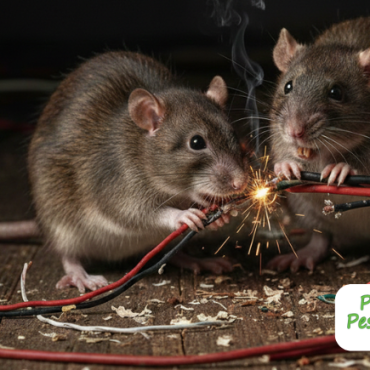
Rats and mice have teeth that never stop growing. To keep them filed down, they must gnaw on hard materials. Electrical wiring in attics is a favorite target.
When rats strip the plastic insulation off wires, it creates a “hot spot” that can ignite nearby nesting materials or wood framing.
Contaminate Food and Pantry Pests
Rats are agile enough to reach high shelves in your kitchen. They easily chew through food packaging made of cardboard or thin plastic. Once they contaminate food, the risk of food poisoning (Salmonellosis) skyrockets.
Even if you do not see a rat, finding a chewed box in your pantry means the entire area is likely contaminated with rat feces.
Secondary Infestations
Rats are essentially “micro-ecosystems.” They carry:
- Fleas: Leading to Murine Typhus.
- Ticks: Bringing the risk of Lyme disease or Southern Tick-Associated Rash Illness (STARI).
- Mites: These can cause skin irritation and dermatitis in humans and pets.
Identifying Entry Points and Reducing Rodent Health Risks
The key to rat control is making your home a fortress. Roof rats are expert climbers and can squeeze through an opening the size of a nickel.
Homeowner Exclusion Checklist
| Location | What to Look For | Action Needed |
| Roofline | Gaps in soffits or fascia boards | Seal with steel mesh |
| Vents | Missing or damaged screens | Replace with heavy-gauge wire |
| Utilities | Gaps where pipes enter the house | Fill with expanding foam and steel wool |
| Landscaping | Tree limbs touching the roof | Trim back at least 6 feet |
Rats have a 5.5 rating on the Mohs hardness scale. For context, this means their teeth are harder than copper and nearly as hard as iron.
They can chew through lead pipes, cinder blocks, and even thin aluminum sheeting. If you are sealing holes, always use galvanized steel or concrete; plastic and wood will not stop an adult roof rat determined to reach a food source.
Why Choose ProHealth Pest Control?
At ProHealth Pest Control, we understand that we aren’t just killing bugs or catching rats; we are protecting the health of your family. Our “Health-First” approach means we prioritize the total decontamination of your environment.
We serve the entire Tampa Bay area, from the waterfront homes of Bayshore Boulevard to the suburban neighborhoods of Westchase.
We offer specialized rodent control that includes:
- Detailed forensic inspections of your home’s exterior.
- Organic and family-friendly sanitation products.
- Full-service attic restoration to remove every trace of rat feces.
- A long-term guarantee on all exclusion work.
FAQs
What are the most common diseases rats carry in Florida?
The most common are Leptospirosis, Murine Typhus, and Salmonellosis. Recent studies also show an increase in Rat Lungworm parasites within the local rat population.
Can breathing in rat droppings make you sick?
Viral and bacterial particles in rat feces and urine can become airborne when dry. Inhaling this dust can cause respiratory infections and allergic reactions.
How do I safely clean up rat feces?
Never sweep or vacuum. Wear gloves and a mask, spray the droppings with a 10% bleach solution, let it soak for five minutes, and then wipe with a paper towel.
Why do rats in Tampa chew on wires?
Rat teeth grow constantly. They gnaw on electrical wiring to wear their teeth down. This behavior is a leading cause of residential fires in the Tampa Bay area.
Are roof rats more dangerous than ground rats?
Both carry diseases, but roof rats are more likely to nest in attics where they can contaminate your insulation, HVAC ducts, and air supply.
Request a Free Quote from ProHealth Pest Control Today
Do not take chances with the health risks of a rat infestation. If you suspect rats and mice have moved into your home or business, action is required immediately.
Contact ProHealth Pest Control today to request a Free Quote and ensure your Tampa Bay home remains a safe, healthy environment for your family.